The Irrepressible DV


Diana Vreeland may have devoted her energies to concocting fashion fantasies for magazine pages, but she surely would be pleased to find her life surveyed in a new coffee table book. I loathe narcissism, but I approve of vanity, she once declared, and its reverence, not vanity, that fills the pages of Diana Vreeland: The Eye Has To Travel.
The book, published by Abrams this autumn, introduces a new generation to the world of DV. A 26-year veteran of US Harpers Bazaar who went on to edit US Vogue and found the Costume Institute, Vreeland became as famous for the talents she fostered as for her rich, varied career.
The sense of fantasy in fashion has been her main contribution, says author Lisa Immordino Vreeland, a granddaughter-in-law of the editor. She put it on the pages and she gave this freedom to let people create.
It was under her tenure that the magazine began to work with photographers like Lillian Bassman, Martin Munkacsi and Richard Avedon. The lush imagesMarina Agnelli and her endless neck, Veruschka dancing in the desert, models in conversation across the foldserve as a primer on the career of a woman Truman Capote called one of the great Americans.
She was certainly one of the wittiest, coining aphorisms like Pink is the navy blue of India and A little bad taste is like a nice splash of paprika. She peppered her pages with Why dont you... exhortations like, ...use a gigantic shell instead of a bucket to ice your champagne? and ...wear violet velvet mittens with everything? Her daily memos sent staff scattering to attend to tasks she assigned before even rising from bed.
Its this zip and immediacy that leads Immordino Vreeland liken Vreeland to an early blogger.
She was blogging before anyone else wa
Zendaya Aces Red Carpet Tenniscore Once Again
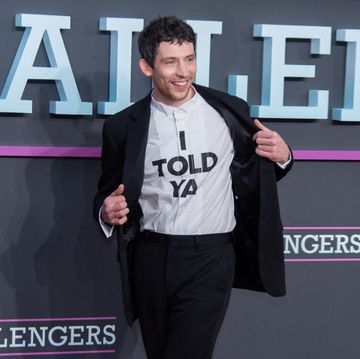
Zendaya Leads The Return Of Slogan T-Shirts
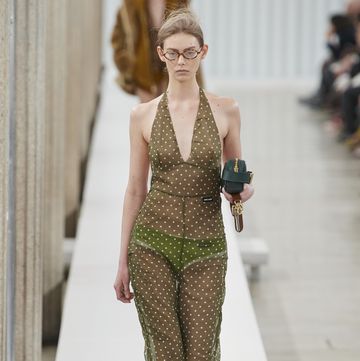
Making Sense Of All The Sheer Dresses

The Best Camel Coats To Invest In Now